
BrainBit.kids Games
Playful brain training for kids with ADHD and attention challenges
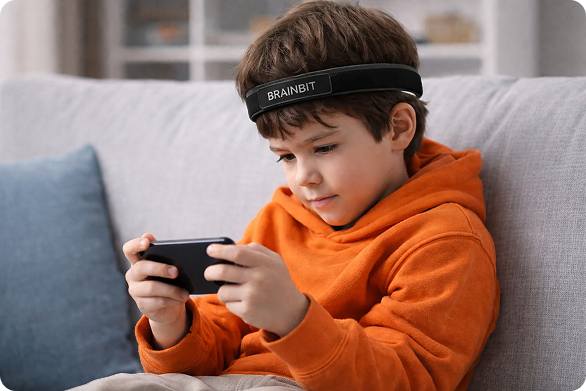
Our game library turns neurofeedback-inspired training into something kids actually want to do. Every game connects to the BrainBit.kids headband and responds in real time to your child’s brain and body signals rewarding focus, calm and effort with progress, points and cute animations.
Important:
BrainBit.kids is a wellness and skills-training tool. It is not a medical device and does not diagnose or treat ADHD or any medical condition.
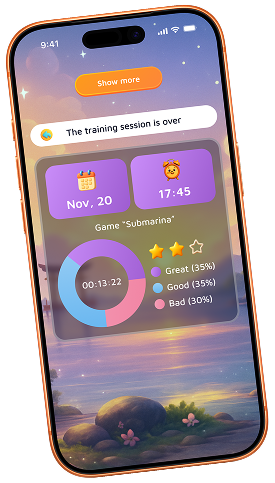
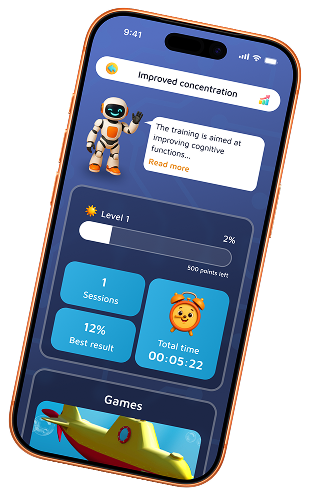
How BrainBit.kids Games Work
 Your child wears the BrainBit.kids headband.
- The system tracks a simple “focus bar”
-
When their activity moves into the success zone, the game goes better:
characters run faster, pictures appear, coins are found, music becomes clear - When focus drops or tension rises, the game gently slows down or adds “noise,” prompting the child to find their way back to a calmer, more focused state
Most games are suitable for children from 6+, with several designed to work even for kids as young as 3 years old with adult support
Game Library
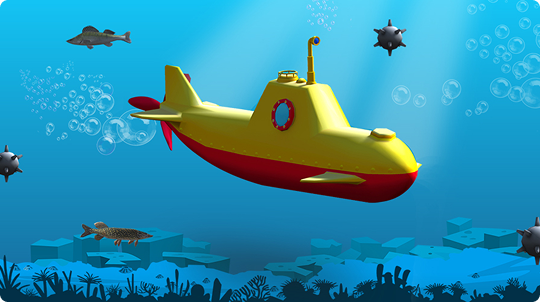
Submarine
Underwater adventure for sustained attention and careful control
Focus helps the submarine collect fish and avoid danger
How it plays
The height of the submarine on the screen reflects your child’s activity level. Fish swim toward the sub along the “success zone” frame bumping into them earns points. Mines sit outside the target zone; hitting them cuts the score
Score feedback
The current score and personal best are always visible, encouraging kids to beat their own record
Skills it supports
- Maintaining focus within a safe range
- Balancing “go for points” with avoiding risks
- Self-competition instead of comparison with others
Planes
Up-and-down focus control with balloon collecting
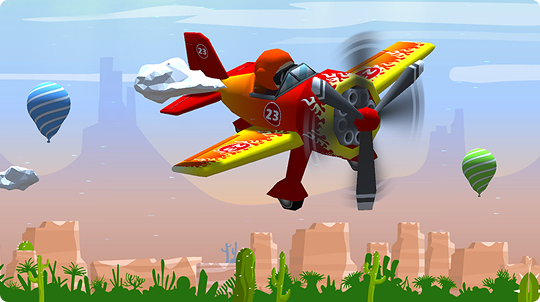
Planes are a light, colourful way to practice smooth focus control
How it plays
The plane’s height on the screen follows the activity bar from ground level at 0% to high sky at 100%. Balloons drift in from the right within the target frame. The closer a balloon is to the centre of that frame, the bigger it appears and the more points your child can score by aligning the plane with it
Experience
Children “feel” how steady attention lets them collect more balloons and beat their previous scores
Skills it supports
- Continuous control of attention, not just on/off focus
- Planning small adjustments instead of overreacting
- Gentle, non-threatening training for kids with ADHD
Balloon
Upgrading hot-air balloon through steady focus
Balloon turns regulation practice into a long-term “upgrade” adventure
How it plays
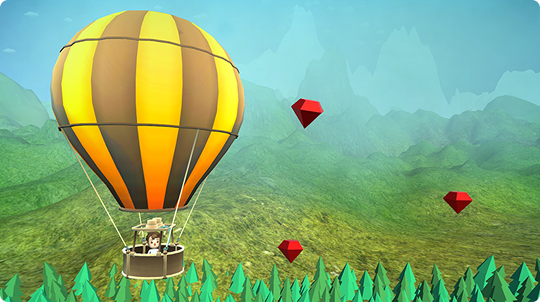
When your child’s activity level is in the success zone, the balloon rises and can collect bonuses drifting in from the side. When focus drops, the balloon slowly loses altitude until it lands. Points collected gradually unlock balloon upgrades, changing the balloon’s appearance as the child improves
Motivation
Visible upgrades and score goals keep kids coming back for more sessions
Skills it supports
- Sustained attention and gentle persistence
- Learning that calm, steady focus keeps them “in the air”
- Goal-setting and self-competition over time
Castle Defense
Spell-casting focus game for fantasy-loving kids
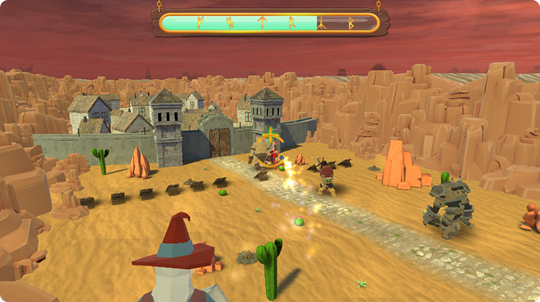
In Castle Defense, your child protects a magical castle from monsters using focus-powered spells
How it plays
Monsters approach the castle one by one or in small groups. A targeting reticle (fly + sight) is controlled by the activity bar. When your child keeps the reticle steady on the monster long enough by staying in the success zone the spell completes and the monster is defeated
Score feedback
Points depend on total time in the game and how consistently the child holds their focus to cast spells
Skills it supports
- Fine, steady attention (holding the reticle on target)
- Inhibiting urges to “twitch” or look away
- Building confidence for kids who like fantasy stories and RPGs
Forest Defense
Gentle, prosocial game about helping forest animals
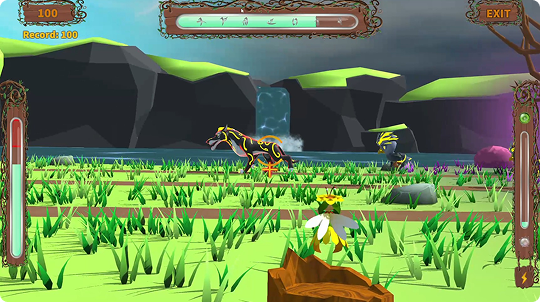
Forest Defense replaces “shooting enemies” with healing forest friends, ideal for sensitive or younger children
How it plays
Four forest animals - wolf, squirrel, hare and bird - walk along the edge of an infected forest. When your child maintains their activity level within the success zone, the animals are “cured” as they move from the sick side of the forest to the healthy side
Tone
The focus is on caring and helping, not on attack, which can be especially soothing for anxious kids with ADHD
Skills it supports
- Calm, caring attention rather than hyper-arousal
- Emotional connection to positive outcomes (“I helped them!”)
- Longer periods of quiet focus without intense stimulation
Tiny Dragons
Precision focus game with teleportation magic
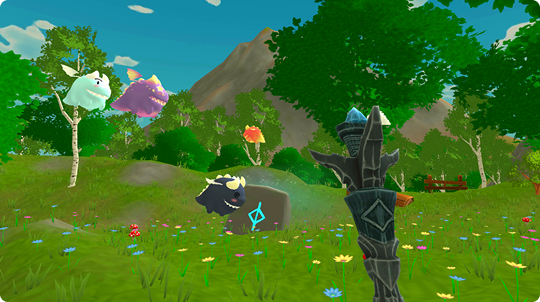
Tiny Dragons is a story-driven game where focus sends little dragons safely back home
How it plays
One dragon at a time is highlighted with a coloured marker. A magical staff, controlled by the activity bar, must be aimed into a green band between upper and lower red zones. Your child adjusts their state to move the sight into the green area and hold it there long enough to cast the teleportation spell. When the circle closes and turns fully green, the dragon is safely teleported and points are awarded
Why it’s powerful
The dual red/green bands make it clear when focus is “too low” or “too high,” helping children learn to fine-tune into a specific window
Skills it supports
- Precise self-regulation around a narrow target range
- Patience and timing (holding the sight, not just touching it)
- Narrative engagement for kids who love dragons and fantasy worlds
Honeybee
Gentle, colourful game for younger kids (from ~3+)
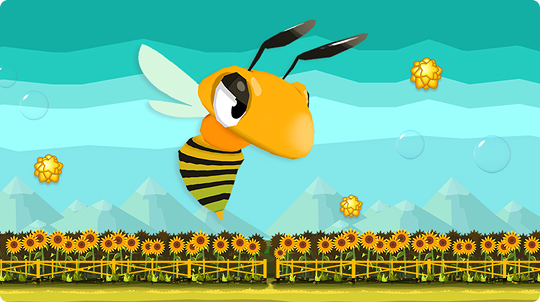
Help the bee collect nectar using calm focus
How it plays
Soap bubbles, hearts and drops of nectar drift towards the bee. When your child’s activity level is in the success zone, the bee collects nectar. Smaller, harder-to-catch nectar gives more points; larger nectar is easier but worth less
Experience
Bright, friendly visuals and sound effects keep young children engaged without overwhelming them
Skills it supports
- Simple “focus = reward” learning
- Early self-regulation practice in a non-threatening setting
- Visual tracking for little ones

Hedgehog
Simple, visual focus game for younger kids (from ~3+)
The hedgehog wants apples and your child’s focus helps him get them
How it plays
As your child’s focus bar rises into the target zone, the hedgehog’s slingshot knocks apples from a tree into baskets. If the signal drops, a little worm knocks the stone away instead
Progress & rewards
More time in the success zone = more apples collected, more satisfying sounds and visuals
Skills it supports
- Sustained visual attention
- Motivation to “stay in the zone”
- Early awareness of focus and distraction
Cars
Fast-paced attention and impulse-control game
Perfect for kids who love cars and racing
How it plays
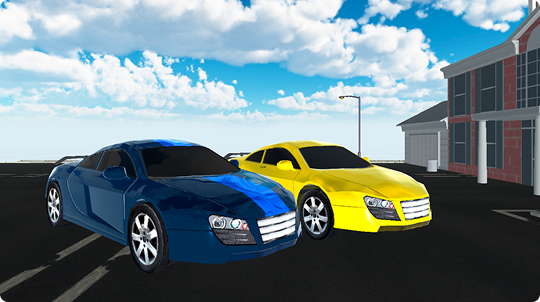
Your child’s “focus speed” controls how quickly their car drives. When they maintain a strong signal, the car accelerates, avoids obstacles and overtakes other cars. If focus drops, the car slows and rivals can catch up
Points & challenge
Points are earned for clean overtakes and successfully navigating obstacles that appear randomly along the track
Skills it supports
- Sustained attention over time
- Inhibition of impulses (staying engaged instead of zoning out)
- Rewarding consistent effort, not just short bursts of focus
Run
Action game ideal for EMG and beta-based training
A simple story: run faster than the monsters
How it plays
Your child controls how quickly the character runs along a path. In the success zone, the character sprints; outside the zone, they slow to a walk. Monsters appear along the way and shoot at the runner, while first-aid kits restore health when the child regains focus
Recommended use
Often used for EMG (muscle tension) or beta-rhythm training: kids are encouraged to notice their body and the world around the character instead of tensing up
Skills it supports
- Body-mind awareness (relaxing muscles to run better)
- Focus under mild pressure
- Emotional regulation when the game gets challenging
Archers
One- or two-channel training with clear visual feedback
Ideal for older kids and for professional use
How it plays
One or two archers stand on the field, each linked to its own focus bar. When the bar is in the green success zone, the arrow hits the target. Too low and it falls short; too high and it overshoots
Solo or versus mode
With one channel, your child competes against a computer-controlled archer. With two channels, both archers can reflect different brain areas or two players.
Skills it supports
- Precise self-regulation (fine-tuning into the target range)
- Monitoring of two channels for professional protocols
- Patience and timing, not just speed
Math
Focus-boosting mental-math game for beta training
For kids who are ready for numbers and quick thinking
How it plays
Short arithmetic problems appear on the screen. Your child solves them as quickly and accurately as possible. Concentration and effort tend to increase beta activity, making it a useful protocol for attention training
Difficulty
Problems can be adjusted to the child’s age and ability so that they’re challenging but not discouraging
Skills it supports
- Focused mental effort
- Working memory and processing speed
- Confidence with school-like tasks
Puzzle
Calm, visual game that rewards steady attention
Watch a picture come together literally when your child stays in the zone
How it plays
When the focus level is in the success zone, puzzle pieces appear and lock into place, gradually revealing a full image. When the signal drops, pieces start to disappear again. In the “almost there” yellow corridor, the puzzle builds more slowly
Experience
Feels meditative and satisfying, especially for children who enjoy art or building
Skills it supports
- Steady, quiet concentration
- Frustration tolerance (pieces vanish when attention slips)
- Visual tracking and persistence
Pond
Mind-body focus game using water clarity
Especially effective for beta and EMG training
How it plays
At first, the pond water is murky. When your child’s activity level enters the success zone, the water clears and coins appear on the bottom. With continued focus, more coins and then fish and crabs are revealed
Hidden challenge
There are more coins than kids expect, encouraging them to stay engaged without knowing “when it ends.”
Skills it supports
- Visual scanning and sustained attention
- Relaxing facial muscles while staying mentally engaged
- Curious, playful exploration instead of forced effort
Relax Slide
Calming visual or audio training for focus and relaxation
Great for winding down or practicing quiet, steady attention
How it plays
Images and music start “noisy” and distorted. When your child’s activity level moves into the success zone, the picture becomes clear and the music plays cleanly. When focus drifts, noise returns
Modes
Eyes open: Visual noise for EMG or beta training.
Eyes closed: Audio feedback only, perfect for alpha-based relaxation.
Skills it supports
- Relaxation and stress reduction
- Mindful awareness of how their state affects what they see and hear
- Transition from active play to calmer routines (bedtime, homework)
Activation Text
Reading & listening game for older kids and teens
Ideal for school-aged kids who struggle to stay with text or audio
How it plays
A story or educational text scrolls onto the screen while music plays. In the success zone, the text appears smoothly and the sound is clean. When activity drops, the text slows and audio becomes noisy until focus returns
Modes
Choose your own texts and sounds, adjust speed and noise level to match the child
Skills it supports
- Focused reading and listening
- Applying self-regulation skills to school-like tasks
- Tolerance for mild frustration while re-engaging with the material
Relax Streaming
Calming focus game with videos and music
Relax Streaming turns your child’s favourite videos or music into a gentle relaxation and attention exercise
How it plays
A video or song starts out “noisy” and distorted. When your child’s activity level moves into the success zone, the picture becomes clear and the sound is clean. When focus drifts or tension rises, visual and/or audio noise returns
Modes
Eyes open: Visual noise is ideal for EMG or beta-based focus training.
Eyes closed: Audio-only feedback supports alpha-based relaxation.
Skills it supports
- Relaxation and stress reduction after busy days
- Quiet, sustained attention for kids with ADHD
- Applying self-regulation to everyday media (videos, music)
Columns
Simple focus bar game for one to four channels
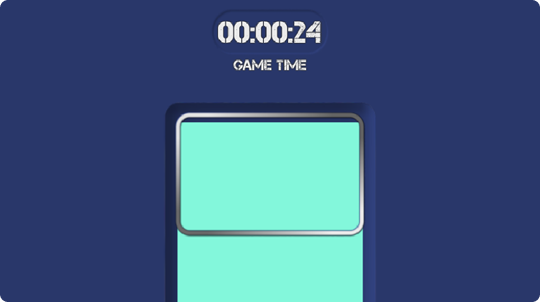
Columns is a pure neurofeedback-style game that lets kids (and professionals) see focus and regulation in the most direct way
How it plays
Each channel appears as a vertical bar. Staying inside the green rectangle means being in the success zone. Moving slightly outside turns the bar yellow; drifting farther away turns it red. The goal is to keep the bar in the green as long as possible
Flexible training
1-4 bars can be displayed at once, allowing single-channel or multi-channel training.
Great for home sessions and for specialists who want clear, high-level feedback.
Skills it supports
- Precise self-regulation for older kids and teens
- Awareness of when attention is “too low” or “too high”
- Visualising complex ADHD-focused protocols in a child-friendly way
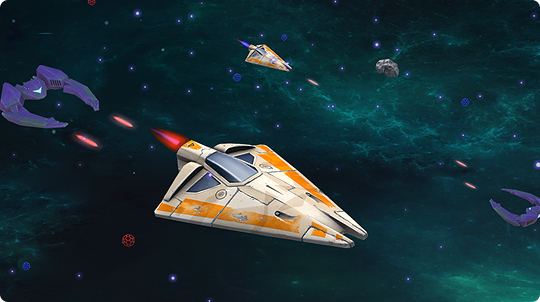
Spaceships
Action defense game for one or two channels
Spaceships combine classic arcade action with brain-based focus training
How it plays
One or two spaceships defend against waves of enemies and asteroids. The ship’s horizontal movement mirrors your child’s focus bar: upward shifts move it right, downward shifts move it left. When the bar is in the green zone, the ship stays near the shield generators, activating a protective field. Outside the zone, the shield drops and hits become more dangerous
Training features
Supports one- or two-channel training for more advanced ADHD protocols.
Visualises shifting training ranges (“phasic training”) by moving shield generators on screen
Skills it supports
- Staying within a healthy focus range under pressure
- Dividing attention between threats and safety zones
- Fast feedback for older children who enjoy action games
Designed for ADHD – Safe, Fun, Non-Medical
All BrainBit.kids games are:
- Built for children with ADHD and attention challenges, but useful for many kids who struggle with focus and self-regulation
- Neurofeedback-inspired, using real brain and muscle signals to guide the experience
- Designed to be supportive, not punitive games gently pause or add noise as a cue to take a breath and try again
- Part of a broader program that includes guidance for parents and optional collaboration with coaches, neurofeedback specialists and psychologists
BrainBit.kids does not replace professional diagnosis, medication or therapy.
It’s a playful training tool that helps children practice the focus and self-regulation skills they’re already working on in everyday life