
How Brain Training Works:
The Science Behind the Fun
We combine gentle brain and body signals to turn your child’s focus into a game they can actually feel and learn to control.
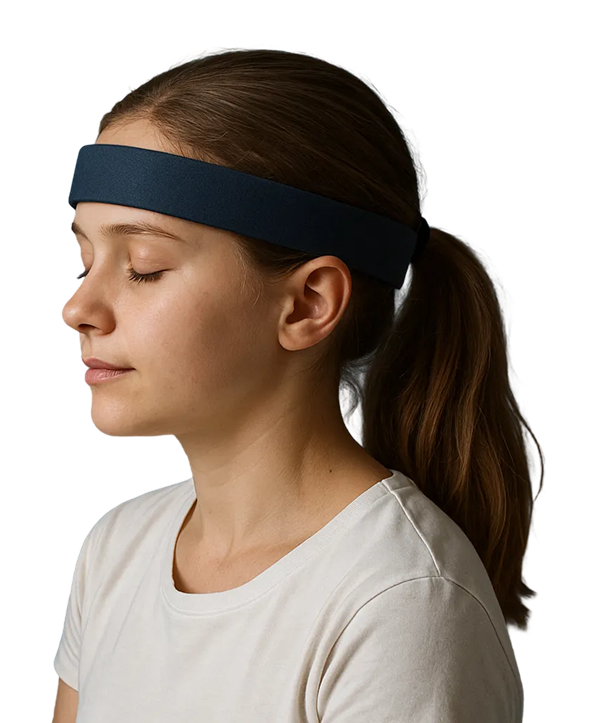
The Simple Science: Reading the Signals of Focus.
Our system uses two safe, non-invasive technologies to help children with ADHD
and attention challenges understand and develop their focus skills.

EEG (Brain Activity)
What it measures
Natural electrical patterns from the brain
What it tells us
Different brainwave states - like busy, restless thoughts (Theta), calm and alert focus (Alpha), or active, engaged thinking (Beta)
Our goal
Help your child practice spending more time in the calm, focused states that are ideal for learning and play

EMG (Muscle Activity)
What it measures
Tiny muscle movements on the forehead
What it tells us
Levels of physical tension and fidgeting, which often increase when a child is frustrated or struggling to concentrate
Our goal
Teach your child to notice and release physical tension, so a calmer body can support a more focused mind
Together, they create a complete picture:
BrainBit.kids helps children see that a calm body and a focused mind work together and gives them a fun way to practice both.

The Hardware: Meet the BrainBit Kids Headband
Designed for Comfort, Built for Learning
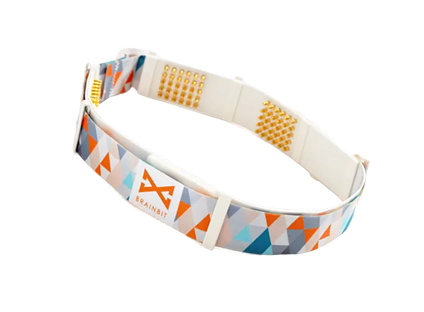
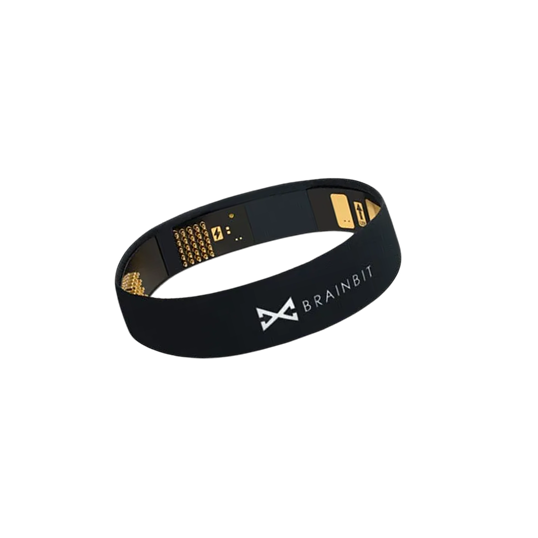
Light, soft and low-profile, the BrainBit Kids Headband is designed so most children forget they’re even wearing
it after a few minutes
Soft, Adjustable Headband
One-size-fits-most design with comfortable, breathable fabric
Safe, Dry Electrodes
No gels or liquids needed. Our special sensors work through comfortable contact
Child-Friendly Design
Lightweight, durable, and easy for parents to set up
Professional-Grade Technology
The same reliable signal quality trusted by specialists, wrapped in a simple, kid-friendly experience for home use
Everything You Need in One Kit
The Process: Your 3-Step Journey to Better Focus
Your Child's Personal Starting Point
About 60 seconds – this step is quick and done once before training
What happens
Your child sits calmly while the headband reads their unique brainwave patterns and muscle activity at rest
Why it matters
This establishes a personal baseline, so the games are tuned to your child’s unique focus patterns including common ADHD-related attention differences
Parent's role
Simply help your child put on the headband and tap "Start" in the app
Learn Focus Through Fun Games
Over time, your child begins to recognize what “focused and calm” feels like in their own body, a key skill for kids with ADHD and attention challenges
Choose a Game
Select from a variety of fun, age-appropriate games in the app
Play with Your Brain
To make the character move or the game progress, your child learns to maintain a calm, focused state. If their mind wanders or they get frustrated, the game gently slows or pauses, a built-in reminder to take a breath and find their focus again
Instant Feedback
This creates a powerful learning loop. The game is the reward for finding a focused state, making the skill-building process intuitive and enjoyable
Session Length
Short, effective 16-minute sessions, recommended 3-4 times per week
Track Progress and Build Skills
Our adaptive system grows with your child, making the training continuously effective
Adaptive Difficulty
As your child improves at finding focus, the games automatically adjust to provide the right level of challenge, just like leveling up in a video game
Progress Tracking
The app provides simple insights into your child's engagement and consistency
Real-World Benefits
Over time (a typical course is 20 sessions), children naturally transfer these skills to daily life doing homework, following instructions, and managing emotions more effectively

Frequently Asked Questions
- EEG captures patterns of brain activity linked to states like relaxed focus, daydreaming or high mental effort.
-
EMG captures tiny muscle movements, especially tension in the forehead that often rises when a child is stressed or frustrated.
Together, they give a fuller picture of your child’s “focus state”, both mind and body.
Ready to Start the Journey?
Give your child a fun, empowering tool to build lifelong focus skills.